Home Moves in House
If you are planning Home Moves in House, you are likely looking for a local team that understands more than just boxes and vans. A house move can mean tight hallways, family schedules, awkward furniture, parking limitations, shared driveways, stairs, and the pressure of getting everything settled without unnecessary stress. Whether you are moving within House itself or relocating to or from nearby local areas, having the right support makes the process smoother, safer, and far less disruptive.
Our house removal service is designed for real customers with real homes, real timelines, and practical concerns. That might mean a one-bedroom flat, a terraced property with restricted access, a larger family house with multiple bedrooms, or a home that also includes office equipment, garden items, and fragile belongings. The aim is simple: make moving day feel organised, efficient, and manageable from start to finish.
Local property moves often need a personal approach. Street access, parking arrangements, loading times, and the layout of the property all affect how smoothly a move goes. That is why a local house moving service is so valuable. It can adapt to the details of your home, your schedule, and your priorities, rather than expecting everything to fit a one-size-fits-all plan.
Why Home Moves in House Need a Local Approach

Every move is different, but moves in House often come with a few familiar challenges. Some roads allow easy loading, while others may have limited turning space or narrow access. Some homes have front gardens, steps, or shared entrances that make lifting and carrying more demanding. A local removal team understands these conditions and plans around them before the moving day begins.
Another reason local knowledge matters is timing. Households often need to coordinate around school runs, work schedules, lift access in apartment-style buildings, or building management rules where applicable. When a team already knows the practical rhythm of the area, it can help reduce waiting around and avoid avoidable delays.
Home Moves in House are also about confidence. It is easier to relax when you know your belongings are being handled by people who understand household removals, from heavy furniture and white goods to delicate kitchenware and sentimental items. A professional service should feel steady, careful, and responsive, especially when you are handing over the contents of your home.
What Our House Moving Service Can Help With
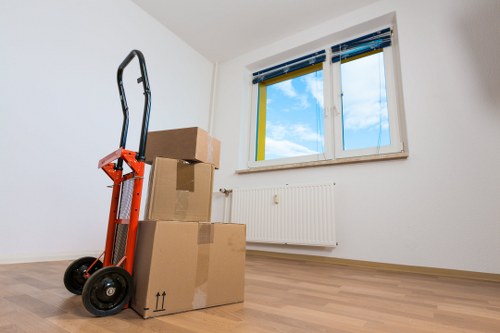
A local house removal service should do more than just transport items from one address to another. It should help take the pressure off at each stage of the move. Depending on what you need, that may include packing support, loading, safe transport, unloading, and placing furniture in the correct rooms so you can begin settling in quickly.
Many customers also need help with items that are awkward, heavy, or fragile. Sofas, wardrobes, beds, dining tables, mirrors, appliances, and boxed belongings all require different handling. A well-organised team can plan the order of loading, use suitable protection, and move items in a way that reduces the risk of damage to both the property and the contents.
Some homes also include mixed-use needs. For example, a household may have a work-from-home setup, stock for a small business, or commercial equipment stored at the property. In those situations, it helps to use a removal team that can manage residential and commercial customers with equal care. That flexibility is useful when moving is not just about family life, but also about keeping work and routine on track.
What Is Typically Included in a House Move

When people enquire about house removals, they often want to know what is actually included. The exact service can vary, but a good local removals team usually offers a structured, practical approach. This can include an initial discussion about the size of the property, the volume of belongings, access at both addresses, and any special items that need extra attention.
Common inclusions may involve careful loading, transportation, and unloading of household goods. If requested, some moves may also benefit from dismantling and reassembly of furniture, protection for mattresses and upholstery, and the safe handling of fragile belongings. The goal is to make the move efficient without losing sight of the details that matter inside a real home.
House removals should also be adaptable. A customer moving from a compact terrace may need a very different plan from someone leaving a detached property with a garage, loft, and shed. By tailoring the service to the home rather than forcing a standard routine, the move becomes more practical and less stressful.
Typical support may include
- Loading and unloading household items
- Safe transport between properties
- Furniture handling and placement
- Protection for fragile or valuable items
- Help with large or awkward possessions
- Planning around access, stairs, and parking
- Support for local domestic and business moves from the home
How Home Moves in House Usually Work

A well-run move is built around simple steps. First, there is an enquiry where you describe your current home, your destination, the moving date, and anything unusual that might affect access. This might include a long walk from the property to the vehicle, multiple floors, a shared car park, or items that need careful dismantling before they can be moved.
Next comes the planning stage. A local removals team may ask questions about the number of rooms, the volume of boxes, whether you need packing help, and whether there are items that require special handling. The clearer the information, the easier it is to match the right vehicle size, team size, and timing to the job.
On moving day, the process should feel organised. Items are normally loaded in a sensible order, with care taken to protect furniture and avoid damage where possible. Once at the new property, items are unloaded and placed where you need them. If you have arranged extra help, some furniture can also be reassembled so you can start using the space sooner.
Why this structure helps
Good planning reduces stress, cuts down on delays, and gives you more control over your day. It also helps local customers who may be juggling children, work, tenancy deadlines, or completion times. A move is easier when everyone knows what is happening and when.
Local Property Types and Moving Challenges in House

House includes a range of property types, and each one can create different moving challenges. Some homes have narrow staircases that make carrying furniture more difficult. Others are set back from the road, which can affect loading distance. Some properties have limited on-street parking, while others have private drives or shared access points that require careful positioning of the vehicle.
For customers in older houses, care may be needed around tighter doorways, uneven paths, or more delicate internal finishes. In newer developments, the issue may be lifts, estate layouts, or parking rules. For converted properties and maisonettes, the key concern is often safe access for bulky belongings and a smooth route between the vehicle and the front door.
This is where a local house moving company can really help. A team with experience in house moves in House will already understand the kinds of obstacles that can appear on local streets and in surrounding neighbourhoods. That experience can make planning more realistic and execution more efficient.
Preparation Checklist Before Moving Day
A little preparation goes a long way. Even when you have professional help, a clear plan at home makes the day less chaotic. The checklist below can help you stay organised and reduce last-minute pressure.
Suggested preparation steps:
- Label boxes by room and note fragile items clearly
- Set aside essentials you will need first at the new property
- Empty or defrost appliances in good time if needed
- Confirm access arrangements at both addresses
- Reserve parking where possible or check local restrictions
- Keep important documents, keys, and valuables separate
- Pack a small overnight bag for each family member
- Measure larger furniture against doorways and stairways if you are unsure
It is also sensible to think about pets, children, and work commitments. A move is often smoother when there is a plan for where everyone will be on the day. Even simple decisions, such as who will keep hold of the kettle or where the cleaning supplies will go, can make the transition feel more orderly.
What Affects the Cost of a House Move
Customers often want an idea of price, but the honest answer is that the final cost depends on several factors. Every house move is different, and the service should reflect the work involved rather than a generic estimate that ignores the details.
Pricing factors may include the size of the property, the number of items being moved, distance between addresses, access conditions, and whether packing or furniture assembly is required. Additional time may be needed for long carry distances, stairs, or items that require extra care. The date of the move can also matter, especially during busy periods when demand is higher.
To get the most useful quote, it helps to be clear and realistic about the move. Mention any large furniture, awkward access, shared entrances, or special handling needs. That way, the removals team can give a quote that is practical and appropriate for your situation. If you are comparing moving services in House, look for clarity, responsiveness, and a service that explains what is included.
Common pricing factors
- Property size and volume of belongings
- Distance travelled between addresses
- Access, parking, and loading conditions
- Number of movers needed
- Extra services such as packing or dismantling
- Special items requiring careful handling
Why Choose a Local Company for Home Moves in House
Choosing a local company is about more than convenience. It means working with people who understand the area, the kinds of homes found here, and the practical details that can influence a move. That can save time and reduce friction on the day.
A local removals team can also respond more flexibly when plans change. If completion times shift, access is delayed, or you need to adapt your schedule, local knowledge and local availability can make a big difference. It is often easier to organise a move when the team is familiar with nearby routes and neighbourhood conditions.
There is also reassurance in using a service that focuses on household removals in the area. A company that regularly handles house removals in House will understand what matters to local customers: clear communication, careful handling, respect for your property, and the ability to work neatly in real homes without creating unnecessary disruption.
Local benefits at a glance
- Better understanding of access and parking issues
- Practical knowledge of local property layouts
- More responsive scheduling for nearby moves
- Familiarity with family homes, flats, terraces, and newer developments
- Helpful support for both domestic and small commercial moves
Areas Covered Around House
A local home moving service should support customers in House and nearby communities, including surrounding residential streets, neighbouring villages, and nearby urban or suburban areas. This is particularly useful if your move involves a short local relocation, a larger family home, or a move that crosses between different types of neighbourhood.
Nearby areas often have their own practical considerations. Some have busier roads, some have limited parking, and some include newer estates or older properties with different access needs. A local team can adapt more easily when it knows the area and can plan the route, timing, and loading approach accordingly.
If you are moving within House or just outside it, it is worth asking whether the service covers your specific location and the access conditions at both ends. That simple check can help avoid confusion and ensure your quote reflects the actual work involved.
Support for Families, Tenants, Landlords, and Businesses
House moves are not only for homeowners. Local removal services are often used by tenants moving between rental properties, landlords arranging changeovers, families upsizing or downsizing, and small businesses operating from home. Each customer group has different priorities, and a good removal team should respect those differences.
For tenants, timing can be especially important because of handover dates, cleaning arrangements, and the need to return a property in a tidy state. For landlords, the aim may be to move furniture or contents efficiently between occupancies. For families, the priority may be keeping everyday life running while the move is underway. For home businesses, the focus is often on protecting equipment and minimising downtime.
That is why house moving services should be flexible rather than rigid. A move can involve personal belongings, business stock, office chairs, filing cabinets, or technology equipment alongside ordinary household items. The best service is the one that handles all of it with care and common sense.
Good to know
Whether your move is large or small, a local team can often scale the service to match what you need, from a straightforward load-and-transport move to a more hands-on service that includes packing support and careful furniture handling.
How to Make the Move Easier on the Day
Even with professional help, there are a few small habits that can make moving day calmer. The most helpful step is usually to keep the essentials accessible. When the key items are easy to reach, the first evening in the new house feels much less stressful.
It also helps to keep communication clear. If there are items you want loaded last, rooms that should be emptied first, or furniture that needs to go to a particular floor, let the team know early. Clear instructions reduce back-and-forth and help the move run in a steady rhythm.
Moving-day tips:
- Keep valuables and important paperwork with you
- Make sure doors and routes are clear before loading starts
- Check both addresses for parking and access before arrival
- Label fragile items clearly
- Have drinks, snacks, and essentials set aside for the day
- Walk through the property once loading is complete
Simple preparation can save a surprising amount of time, especially in a busy family home where the last few items always seem to appear at the end of the day.
Frequently Asked Questions
How far in advance should I book Home Moves in House?
It is best to enquire as early as possible, especially if you are moving during a busy period or have a fixed completion date. Early booking can make it easier to secure your preferred slot and plan for access at both properties.
Can you help with both small and large house moves?
Yes. Local house removals can usually be scaled to suit the size of the move, whether you are relocating from a one-bedroom property, a family home, or a larger house with more furniture and boxed items.
Do I need packing help as part of the move?
Not always. Some customers prefer to pack themselves, while others want support with fragile, bulky, or time-consuming items. Packing assistance can be arranged to suit your needs.
What if access is difficult at my property?
That is common in many local homes. Narrow roads, parking restrictions, stairs, and shared entrances can all be planned for in advance. Make sure you explain the access situation when requesting a quote.
Can a house moving team also help with work equipment?
Yes, many moves include office items, light commercial contents, or home-business equipment. If that applies to you, mention it early so the service can be organised properly.
What should I do with fragile items?
Fragile items should be packed carefully, clearly labelled, and separated where possible. If you are unsure about packing them yourself, ask whether extra protection or specialist handling is available.
Request a Quote for Your House Move
If you are planning a move in House, the best time to get organised is now. A clear enquiry helps you understand what support is available, what the move may involve, and how to prepare for the day. Whether you are moving locally, relocating from a nearby area, or arranging a property move that includes extra furniture or work items, a local removals team can make the process much easier.
Look for a service that is practical, responsive, and experienced with the realities of household moving. The right team should be able to answer your questions clearly, work around local access conditions, and help you move with less hassle. If you want a smoother start to your next chapter, contact us today, request a free quote, or book your service now.
When you are ready to move, choose a local company that understands Home Moves in House and can provide the reliable support your household needs.