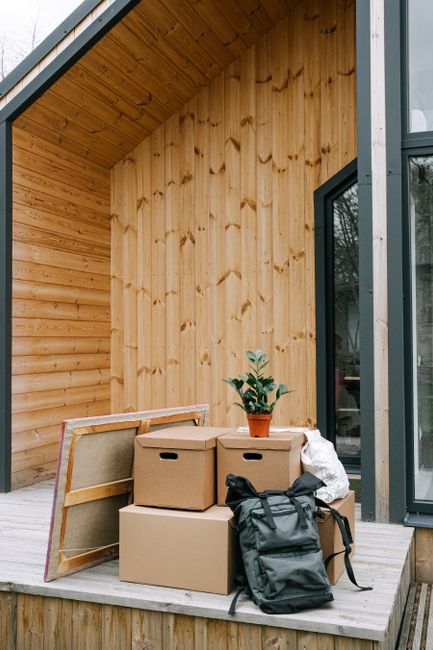
Step by step UK guide to planning a smooth house removal

Moving house can feel like a lot. Boxes everywhere, paperwork on the kitchen table, a kettle that always seems to disappear, and that nagging thought that you've forgotten something important. This step by step UK guide to planning a smooth house removal is here to take the pressure down a few notches. Whether you are moving across town or across the country, the goal is simple: help you plan properly, avoid common mistakes, and keep moving day calm enough that you can actually breathe.
In real life, a smooth house move is rarely about luck. It usually comes down to timing, clear decisions, and choosing the right support for your situation. That might mean booking house removals for a full service move, or comparing different options such as man and van, removal company, or packing and unpacking services. The point is not to do everything yourself. The point is to plan well enough that nothing has to be guessed on the day.
Below, you'll find a practical UK-focused walkthrough, from early planning through to the final box being carried through the door. A little preparation goes a long way. Honestly, more than people expect.
- Why planning a smooth house removal matters
- How the moving process works
- Key benefits and practical advantages
- Who this guide is for
- Step-by-step moving plan
- Expert tips for better results
- Common mistakes to avoid
- Tools, resources and recommendations
- Law, compliance and best practice
- Options and comparison table
- Case study or real-world example
- Practical checklist
- Conclusion
- Frequently asked questions
Why Step by step UK guide to planning a smooth house removal Matters
House removals in the UK can get complicated quickly. Completion dates shift. Keys are delayed. Parking outside the property is tighter than expected. One box contains your bedding, another contains the remote, and somehow both end up in different rooms. Planning matters because moving day has a habit of exposing every loose end at once.
A well-structured move helps you stay in control of the things you actually can control: when you book help, how you pack, what you label, what needs disassembling, and who handles the awkward bits. It also helps you avoid rushed decisions, which are usually the expensive ones.
There's also a human side to it. Moving is not just logistics. It is leaving one routine behind and building another. For families, that can mean school runs and sleep schedules. For flat movers, it can mean stairs, lifts, and narrow hallways. For anyone downsizing or moving with vulnerable items, it means taking the pressure off wherever possible. A good plan makes the day feel manageable rather than chaotic.
How Step by step UK guide to planning a smooth house removal Works
The moving process is easier to handle when you think of it in stages rather than as one giant event. Most smooth removals follow a pattern like this: prepare early, book support, sort your belongings, pack methodically, confirm the logistics, and leave the final day for execution rather than decision-making.
That sounds simple, but the detail matters. For example, if you are using removals near me as part of your search process, you still need to compare the actual service level. Local availability, vehicle size, access constraints, and packing support can all change the outcome. A cheap quote on paper can become a stressful day if it doesn't match the reality of your property.
In practice, a house removal works best when every key task has an owner and a deadline. Who is handling utilities? Who is keeping the keys? What time can the van actually park? Where do the fragile items go? The fewer "we'll sort it later" items left hanging, the better.
Key Benefits and Practical Advantages
A good moving plan gives you more than convenience. It reduces waste, limits damage, and saves time. In plain terms, it stops you from paying for avoidable mistakes.
- Less stress: clear steps mean fewer last-minute surprises.
- Lower risk of damage: proper packing and labelling protects furniture and fragile items.
- Better cost control: you can compare pricing and quotes properly when you know what you need.
- More efficient moving day: a prepared property loads faster and unloads faster too.
- Fewer delays: parking, access and timing issues are easier to manage when planned in advance.
Another practical advantage is flexibility. Once your move is organised, it becomes easier to decide whether you need a full removal services package, a smaller moving van, or a heavier-duty option such as a moving truck. That decision is much easier when you know the scale of the job. It sounds obvious. Yet people often choose the vehicle last, which is a bit backwards, really.
Who This Is For and When It Makes Sense
This guide is for anyone planning a house move in the UK, but it is especially useful if any of these apply:
- You are moving from a flat, terrace, semi-detached, or house with limited access.
- You have bulky furniture, awkward staircases, or parking restrictions.
- You need to coordinate completion day with solicitors, landlords, or estate agents.
- You are moving with children, pets, or a tight work schedule.
- You want to compare full-service movers with smaller options like man with a van or man with van removal.
- You are trying to avoid the classic "we packed too late" situation.
It also makes sense if this is your first move and you do not know what the removal team will expect from you. To be fair, a lot of stress comes from not knowing what is normal. Do you need everything boxed? Should drawers be emptied? What about wardrobes? Good planning answers those questions before they become moving-day problems.
Step-by-Step Guidance
1. Start with your moving date and likely timeframe
The first step is not boxes. It is dates. Once you know your likely completion day or tenancy handover, work backwards. Even if the date may shift slightly, having a target window helps you schedule quotes, packing, cleaning, and childcare if needed.
If you are buying and selling, keep in mind that dates can move. So build in some breathing room. A move that feels "final" two weeks ahead can still change on the morning of completion. That is normal enough in the UK. Annoying, but normal.
2. Assess the size and shape of the move
Before you ask for quotes, walk through the property and make a real inventory. Not just "a sofa and some boxes." Note the number of rooms, bulky items, fragile items, appliances, garden bits, and anything unusual like a piano, large mirror, or awkward shelving.
This is the stage where you decide whether you need a full team from a removal company, or something lighter such as man and van removals. The more accurate your overview, the better the quote and the less likely you are to end up short on vehicle space.
3. Declutter early, not late
Decluttering is one of the most useful parts of the process, and also the easiest to postpone. Don't. If you haven't used it, worn it, read it, or looked at it in years, ask whether it deserves a place in the new home.
Start with storage areas, lofts, and the back of cupboards. Those are where forgotten things breed, apparently. If you want a cleaner break, sort items into four groups: keep, donate, sell, recycle. That final category matters; a lighter move usually means less packing, less lifting, and fewer surprises on the van.
4. Request quotes and compare properly
Get quotes from a few providers and make sure each quote covers the same scope. A true comparison should include access conditions, number of movers, insurance, packing help, and whether dismantling or reassembly is included.
It can help to check the provider's information on insurance and safety as well as payment and security. You want clarity, not surprises. If a quote is vague, ask what is included and what is not. Simple question, big difference.
5. Plan access, parking, and property logistics
This is the bit many people forget until the van is outside and nowhere to stop. Check whether parking permits are needed, whether the property has a low bridge, steep driveway, narrow lane, or tight turning circle, and whether stairs or lifts will slow things down.
In flats and city streets, this matters a lot. A removal team can work faster when they can park close to the door. If they cannot, the whole move becomes a longer carry. That has a knock-on effect on time and cost, so be practical here.
6. Pack by room and label clearly
Pack one room at a time and label every box with both the room and a short contents note. "Kitchen - pans, mugs, kettle" is far better than "misc." You will thank yourself later, usually when you are tired and looking for bedding at 10 p.m.
Keep one box or bag as an essentials kit: kettle, mugs, phone chargers, medication, toiletries, snacks, toilet paper, basic tools, and a change of clothes. It sounds small, but it keeps the first night from turning into a scavenger hunt.
7. Prepare furniture and appliances
Measure doorways and stair turns for larger items. If something is likely to be awkward, take it apart before moving day. Keep screws and fittings in clearly labelled bags taped to the relevant item.
For appliances, check whether they need to be disconnected in advance. Fridges and freezers often need time to defrost. Washing machines may need hose management. If in doubt, ask before the day rather than hoping for the best. Hope is not a system.
8. Confirm the final schedule with everyone involved
As the move approaches, confirm timing with your removal team, solicitors, landlords, estate agents, and anyone else relevant. Make sure key collection arrangements are clear. If there is a gap between leaving one property and entering another, plan where you will wait and where the essentials will go.
This final confirmation step is often what separates a decent move from a smooth one. It keeps everyone aligned and avoids those irritating phone calls that start with, "Just checking, are we still on for today?"
9. Protect important documents and valuables
Keep passports, tenancy paperwork, house keys, bank items, and jewellery with you rather than in the van. You may also want to hold onto sentimental items personally. Family photos, small heirlooms, and anything irreplaceable are better in a separate bag or box under your control.
Some people make a "do not load" zone in one room. That works well. Label it clearly and tell the movers, especially if you are using a busy loading schedule.
10. Settle in with a sensible first-night plan
Your first evening in the new home should be about settling, not searching. Put bedding on first, then the kettle, then basic toiletries and cleaning supplies. If children are involved, get comfort items out early. If you are exhausted, this tiny bit of structure makes a huge difference.
One client-style moment I've seen repeated often: people move in at dusk, the air a bit cold, boxes stacked along the hallway, and everyone just wants tea. The homes are different, but the feeling is the same. A calm first night matters more than a perfect unpack. Always has.
Expert Tips for Better Results
If you want the move to feel easier, these are the habits that make a real difference.
- Book early for busy periods: weekends and end-of-month dates fill quickly.
- Use matching box sizes where possible: they stack better and are safer to lift.
- Pack heavy items in smaller boxes: books, tools, and crockery get heavy fast.
- Photograph electronics before unplugging: a quick photo can save an hour later.
- Keep a running moving note on your phone: especially for utility switches, address changes, and keys.
- Check weather and access on the morning: a wet pavement or icy step changes the job.
If you are moving a bigger family home, it may also be worth considering house movers or broader home moves support rather than trying to stitch everything together yourself. That is not overkill. Sometimes it is just sensible.
Common Mistakes to Avoid
Most moving headaches come from a small number of avoidable mistakes. Here are the big ones.
- Leaving packing too late: this creates rushed, damaged, poorly labelled boxes.
- Not checking access: vans cannot magically fit where they cannot fit.
- Ignoring quote details: cheap can become expensive if extras appear later.
- Forgetting utilities and address updates: you do not want to discover the gas is still registered elsewhere.
- Mixing essential items into random boxes: the kettle should not be somewhere in box 23 unless you enjoy detective work.
- Assuming every service is the same: a movers team, a van-only job, and a full removal crew are not identical.
Another easy mistake is overfilling boxes. They look fine until someone tries to lift them. Then, well, not fine. Keep boxes sensible. Your back will appreciate it.
Tools, Resources and Recommendations
You do not need fancy systems to organise a good move, but a few simple tools help a lot.
- Inventory list: use a notebook or spreadsheet to track rooms and key items.
- Colour labels: one colour per room can speed up unloading.
- Phone photos: useful for furniture setup, cable connections, and item condition records.
- Basic tool kit: screwdriver, tape, marker pen, scissors, and a Stanley knife.
- Protective wrap and blankets: especially for mirrors, tables, and soft furnishings.
For readers who need help with loading, carrying, or unpacking, the most relevant supporting pages are packing and unpacking services, removal van, and removals van. If you are moving business equipment instead of a household, there is also commercial moves and office removals for that different kind of logistics.
And if you are comparing providers, do not skip the policy pages. They are dull, yes. But they tell you a lot about how a company works. Their approach to terms and conditions, sustainability, and complaints handling gives you a decent sense of how they deal with real customers when things are not perfect. Which, let's face it, is the real test.
Law, Compliance, Standards, or Best Practice
For a house removal in the UK, the main thing is to follow sensible best practice rather than assuming every move is identical. If you are hiring a removal provider, it is reasonable to expect clear communication, fair pricing, safe handling of goods, and transparent policies. That includes checking how the company approaches insurance, payment, and complaints.
You should also think about parking permissions, building rules, and access arrangements where relevant. Some councils and housing developments have their own requirements for loading, unloading, or permit use. It is wise to confirm those early. Don't leave it to the morning of the move.
Where health and safety is concerned, common sense matters: clear walkways, safe lifting, stable stacking, and no loose cables underfoot. If you are handling heavy furniture yourself, use proper lifting technique and get help. The aim is a smooth move, not a strained shoulder and a regrettable weekend.
For peace of mind, many people also review a provider's health and safety policy and recycling and sustainability approach. It is a sensible way to see whether the business takes care with customer property and disposal choices.
Options, Methods, or Comparison Table
Different moves need different setups. Here is a simple comparison to help you decide what fits best.
| Option | Best for | Typical strengths | Watch-outs |
|---|---|---|---|
| Full house removals | Larger homes, busy families, full-service moves | More support, better for bulky items, less lifting for you | Usually more expensive than a small van option |
| Removal company | People who want a structured, managed move | Broader service, often more organised for complex jobs | Check exactly what is included |
| Man and van | Smaller moves, partial loads, flexible jobs | Often suitable for shorter or lighter removals | May not suit big houses or lots of furniture |
| Moving van | Compact moves or support with transport only | Can work well for straightforward transport | Less help if packing or heavy lifting is needed |
| Moving truck / removal truck hire | Large loads or higher-volume moves | More space, useful for bigger properties | Requires careful access planning |
If you are uncertain, choose based on volume, access, and how much you want to do yourself. For some people, a simple man with van arrangement is enough. For others, especially with multiple bedrooms and lots of furniture, a larger team is the safer choice.
Case Study or Real-World Example
Here's a realistic example. A couple moving from a two-bedroom flat in a busy UK city had a decent amount of furniture, a narrow stairwell, and awkward parking outside both properties. The first instinct was to choose the cheapest vehicle option. After a proper inventory, though, it became clear that the move needed more than one round trip, and waiting around would have added stress.
They decluttered two weeks earlier, boxed room by room, and kept an essentials kit aside. They also checked access, arranged a parking space where possible, and booked support that matched the actual load rather than the optimistic one. On the day, the loading was slower than they'd hoped because of the stairs, but it stayed controlled. No panic. No frantic repacking on the pavement.
By the time the last box came in, the kettle was easy to find and the bed was assembled before midnight. Not glamorous, but very satisfying. That is what a smooth removal looks like in real life: not perfect, just well-prepared enough that the day behaves itself.
Practical Checklist
Use this checklist in the final weeks before moving day.
- Confirm your moving date or likely date window.
- Book your removal support early.
- Compare quotes on a like-for-like basis.
- Measure access, parking, stairs, and lift size.
- Declutter rooms, cupboards, lofts, and storage spaces.
- Pack non-essentials first.
- Label every box with room and contents.
- Create an essentials box for the first 24 hours.
- Separate valuables and important documents.
- Defrost appliances if needed.
- Disconnect and prepare electronics carefully.
- Notify relevant parties of your address change.
- Check policies, insurance, and payment details.
- Keep keys, phones, chargers, and medications with you.
- Walk through the property once before leaving.
Expert summary: the smoothest house removals are rarely the fanciest. They are the ones where dates are clear, access is checked, packing starts early, and support is chosen to match the real job. That's the whole trick, really.
Conclusion
A successful move is usually the result of steady planning, not last-minute heroics. If you work through the stages in order, keep your quote comparisons honest, and stay realistic about access and packing, your moving day becomes much easier to manage.
The best advice is simple: start early, sort properly, and ask for the kind of help that fits the size of the move. Whether you need full support from house removals specialists or a lighter setup, the goal is the same. Keep the process clear, keep the boxes labelled, and keep your essentials close.
Get a free quote today and see how much you can save.
Frequently Asked Questions
How far in advance should I plan a house removal in the UK?
As early as you can, ideally once your moving date starts to look realistic. Even if the date is not fully fixed, early planning helps you compare providers, book the right vehicle, and avoid a last-minute scramble.
What is the best way to choose between a removal company and a man and van service?
Look at the amount of stuff you have, how much help you want, and how awkward the property access is. A smaller move may suit a man and van style service, while a larger household often needs a fuller team.
Do I need to empty drawers before moving?
Usually, yes, especially for heavy drawers or fragile furniture. Some items can be moved with contents left inside, but only if they are light and secure. It is better to ask the provider and avoid guessing.
How do I keep moving day less stressful?
Pack early, label clearly, prepare an essentials bag, and confirm access arrangements in advance. Stress tends to rise when basic decisions are left until the day itself.
What should go in an essentials box?
Put in kettle items, mugs, toiletries, toilet paper, chargers, medication, snacks, basic tools, a change of clothes, and bedding. In other words, the things you would miss within the first hour.
How do I compare removal quotes properly?
Make sure every quote covers the same job. Check the number of movers, travel time, packing help, insurance, access assumptions, and any extra fees. A low quote is not always a good quote.
What if my completion date changes?
That happens more often than people like. Keep your removal provider updated as soon as you know, and try to stay flexible with packing so the change does not throw everything off.
Is insurance important for a house removal?
Yes, it is sensible to check what protection is included and how claims are handled. A reputable provider should be clear about this, and you can review pages such as insurance and safety before booking.
Should I pack my own boxes or use packing services?
If you are short on time, have fragile items, or simply want less hassle, packing support can be worth it. If you prefer full control and have the time, self-packing is fine as long as you label everything carefully.
What is the biggest mistake people make when moving house?
Leaving too much to the last minute. That includes packing, decluttering, parking checks, and quote comparison. A rushed move usually costs more and feels worse, too.
Can I use a moving truck for a smaller house move?
Yes, if the load justifies it and the access works. A larger vehicle can be useful for volume, but it should match the property and the route. The wrong-sized vehicle can create more trouble than it solves.
Where should I start if I have no idea what service I need?
Start with the size of the move and your level of help required. Then compare removal services, home moves, and other options until the job description feels like a proper fit. Once that is clear, everything else gets easier.